Car series

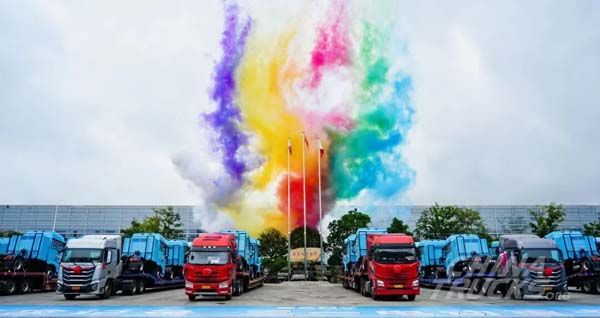
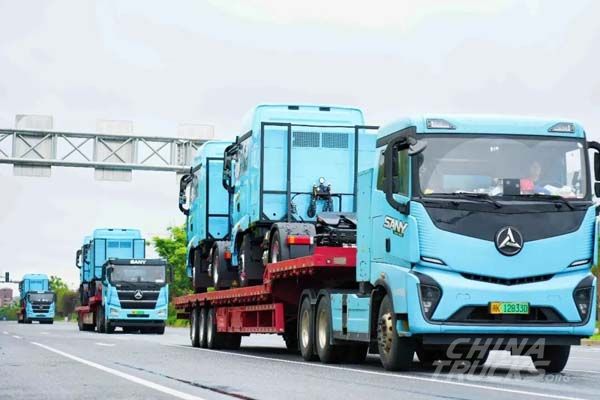
The convoy departed from the SANY Intelligent Connected Heavy Truck Industrial Park on June 23 and is expected to arrive at Guangzhou Port on June 27 before being loaded onto ocean-going vessels for shipment abroad.

The milestone highlights the growing international demand for Chinese-made electric commercial vehicles and reflects the increasing adoption of battery-electric trucks in large-scale logistics operations.
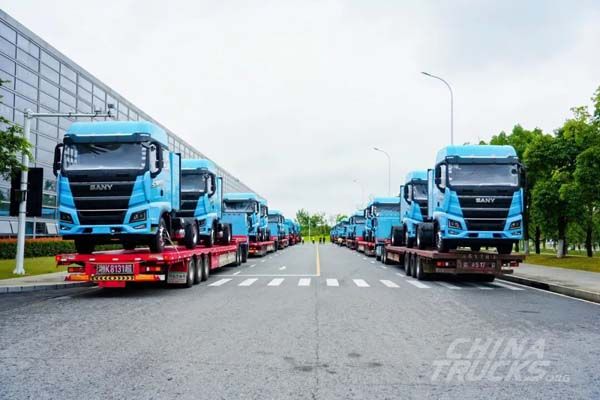
While China's new energy vehicle exports have largely been driven by passenger cars, the latest order signals expanding opportunities for electrified commercial vehicles. Heavy-duty trucks typically face higher requirements for durability, operational efficiency, and powertrain performance, making large-scale deployment a key indicator of market confidence in the technology.
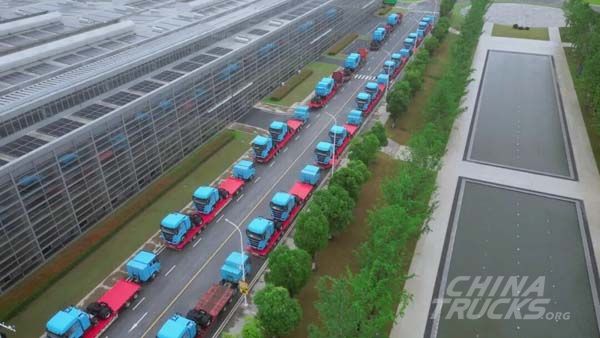
The export also suggests a shift in overseas markets from pilot projects and limited fleet testing toward broader commercial adoption. As transport operators seek to lower operating costs and reduce emissions, electric heavy trucks are becoming an increasingly viable alternative to conventional diesel-powered vehicles.
According to SANY, the fleet is expected to help customers reduce annual operating costs by approximately RMB150 million while cutting carbon dioxide emissions by around 80,000 tonnes per year.
Company executives and representatives from SANY's manufacturing, sales, service, and research teams attended the departure ceremony. Major Chinese media organizations, including Xinhua News Agency and China News Service, also reported on the event.
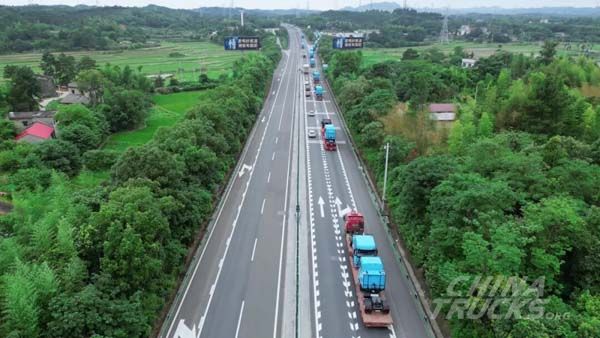
SANY Heavy Truck has been accelerating its international expansion as part of its broader new energy strategy. The company sees growing opportunities in global markets as governments and logistics operators continue to pursue decarbonization goals and fleet electrification.
The latest shipment not only sets a new benchmark for China's electric heavy truck exports but also underscores the growing role of Chinese manufacturers in the global transition toward low-emission commercial transportation.
